More than 2,000 literacy professionals gathered in Chicago to explore research, practical teaching strategies, and keeping learning human in an AI era.
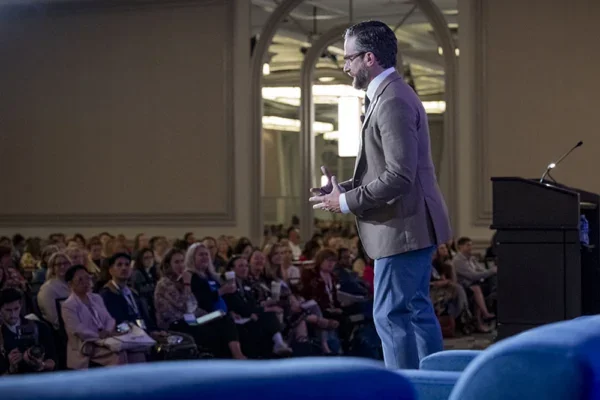
A decade of literacy work, gathered in Chicago
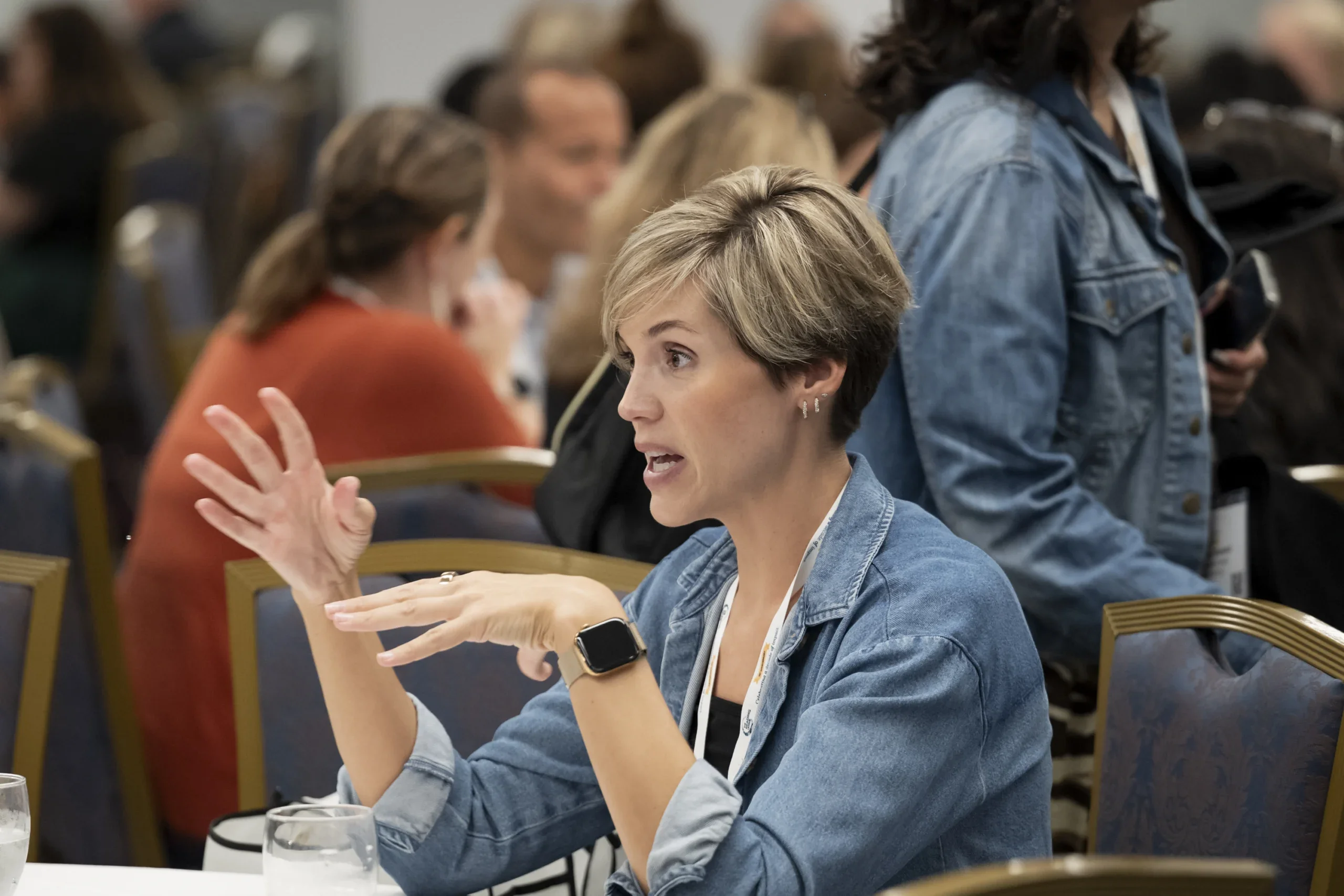
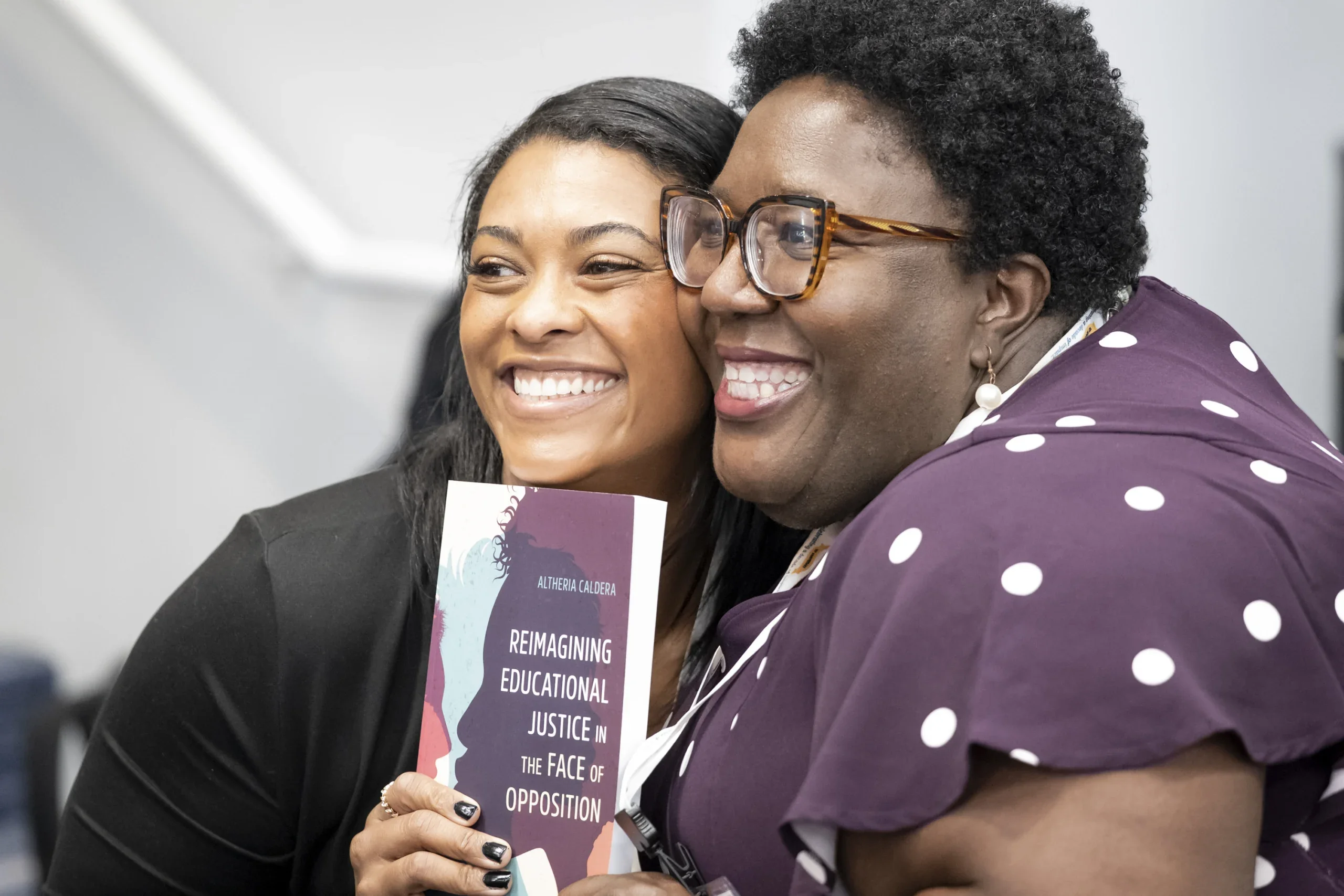
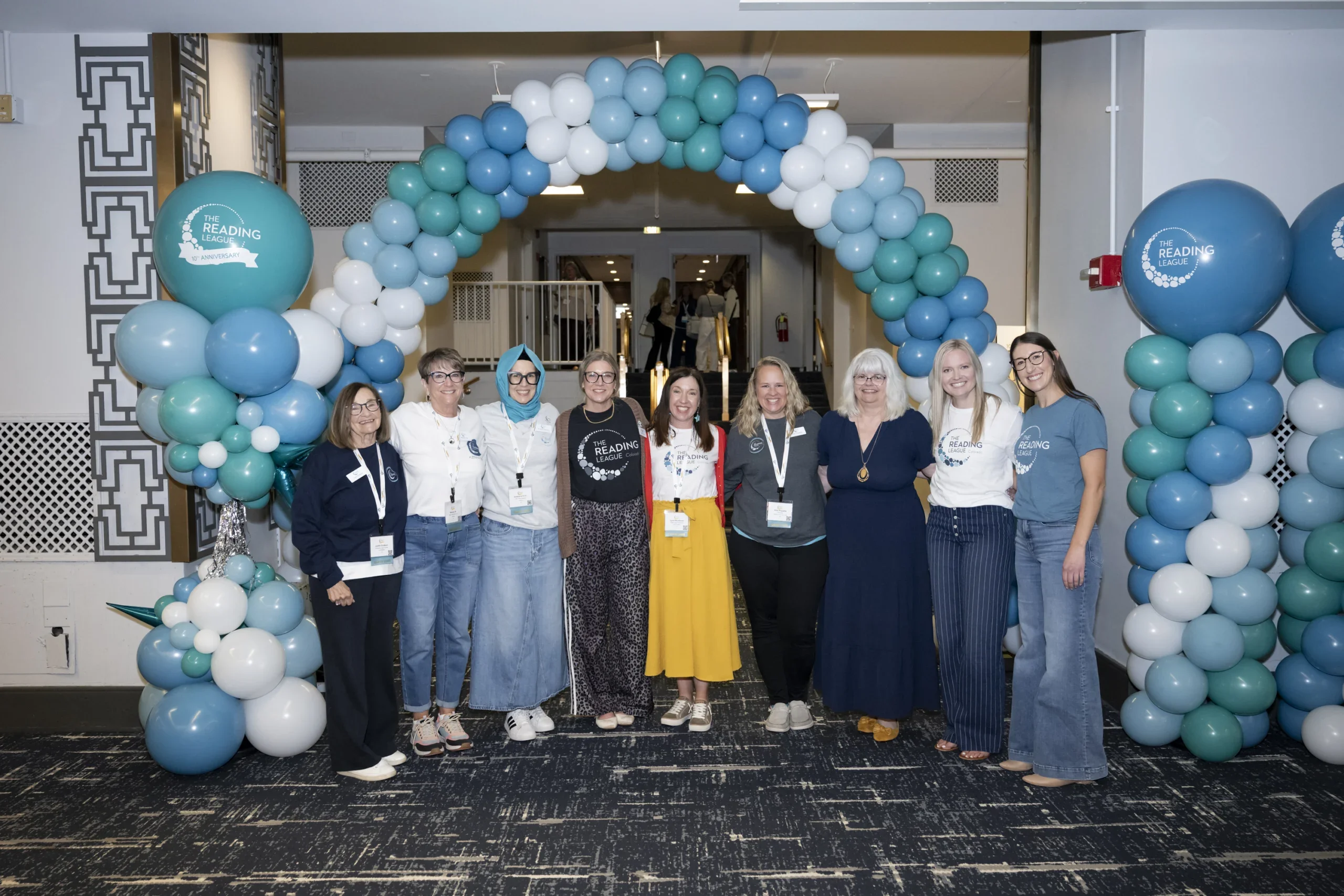
More than 2,000 educators, researchers, school and district leaders, higher education faculty, and literacy professionals came to Chicago for The Reading League Conference 2026. The gathering also marked two milestones: a decade since The Reading League began and its tenth conference. For three days, the work carried on in packed sessions and in the conversations between them. Attendees reconnected with colleagues and chapter members, then left with ideas to take back to their classrooms, schools, districts, and communities. That exchange is part of the conference’s value: research matters most when educators can put it to work.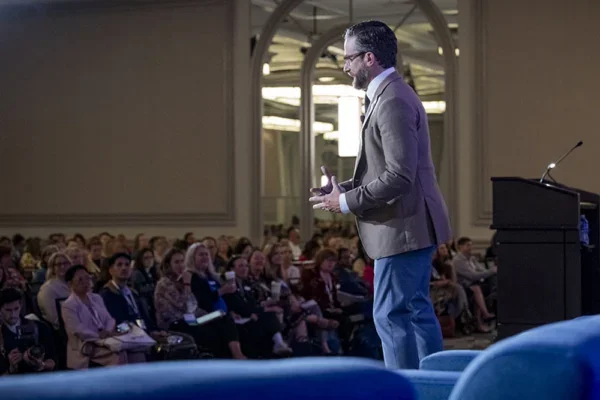
Keeping teaching human in an AI era
Dr. Adam Kronk of the University of Notre Dame opened the conference with a question that reaches beyond literacy instruction: how can teaching and learning stay deeply human as artificial intelligence shapes more of the world around us? Kronk drew on his work developing the DELTA framework, discussing dignity, learning, and the value of “choosing hard”—taking on the effort of learning something deeply instead of defaulting to a frictionless path. The point lands beyond the AI debate. Evidence can help educators identify what works, but it can’t answer on its own what teaching is for. That question deserves equal attention.Research that reaches the classroom
The conference put that research-to-practice connection at the center of its 60 breakout sessions. Topics ranged from foundational skills and adolescent literacy to the science of teaching and learning, oral language, assessment, and advanced reading research. Dr. Ola Ozernov-Palchik presented emerging research on AI-assisted technology and the reading brain, while stressing the role skilled teachers play in language and literacy development.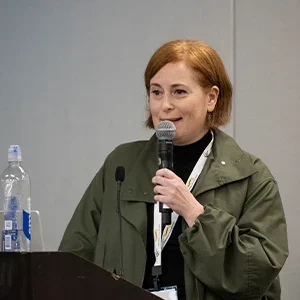 Dr. Mitchell Brookins unpacked research on scaffolding complex, grade-level texts and showed educators practical routines for helping students engage with challenging material. His reminder—“complexity is worth it”—captures a recurring argument: support should help students meet high expectations, not lower them.
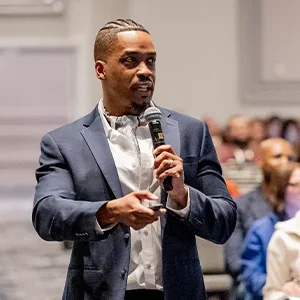 Dr. Anita Archer made the case for practice through the structure of her own session, giving attendees repeated chances to respond, rehearse, and apply what they were learning. New material often takes more practice than we expect before students can use it fluently.
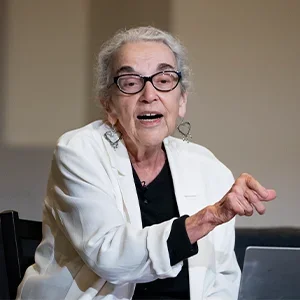 Follow-up sessions led by The Reading League’s Academic Team extended presentations on subjects such as eye-tracking research and oral language development. TRL experts helped attendees consider what those findings could mean for assessment and classroom teaching. The data doesn’t automatically dictate an instructional choice; educators and researchers need room to work through what it means in practice.
Conversation builds language and knowledge
Closing keynote speaker Dr. Sonia Cabell focused on a foundational tool: conversation. Her presentation examined how back-and-forth exchanges build oral language, and how content-rich teaching gives students the background knowledge they need to understand what they read. Cabell used research, classroom examples, and video demonstrations to show how educators can build language and knowledge early through read-alouds and structured discussions in subjects such as science and social studies. It was a practical close to three days of sessions, and a reminder that strong literacy teaching depends on deep knowledge, deliberate instruction, and evidence put into action.A growing network of educators
The conference also made space for relationships and shared experience. Members of the third Educators of Color Conference Community met after nine months of professional learning and collaboration. In a panel discussion, they reflected on culturally responsive teaching, literacy, and every student’s access to the instruction needed to become a skilled reader.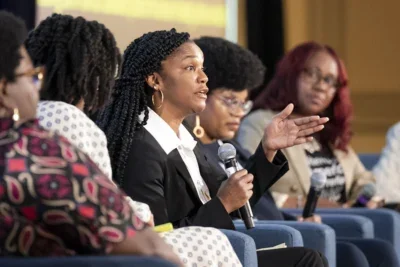 The Reading League’s chapter network is set to reach all 50 states and Washington, D.C. Beginning in January 2027, it will have 51 chapters. Since the first chapters launched in 2019, the network has grown into a nationwide group of educators and advocates advancing evidence-aligned reading instruction locally.
You could see that growth in the chapter reception and in conversations across the conference: educators, researchers, professional learning partners, and new colleagues comparing ideas. Those connections matter. When researchers hear directly from educators, educators can question the people behind the studies, and peers learn from one another, knowledge has a better chance of shaping teaching—and student outcomes.
Next stop: Charlotte
The Reading League Conference 2027 is scheduled for September 29–October 1 in Charlotte, North Carolina. Registration is open, with early bird pricing available through April 1. For an earlier opportunity to learn together, The Reading League Summit 2027: Implementing MTSS will take place April 8–9 in Orlando, Florida. The Summit is designed around one topic over two focused days. A decade in, The Reading League’s community has grown, while its purpose remains the same: connect people with knowledge, evidence, and one another so every child can learn to read. Thanks to everyone who came to Chicago for TRLConf2026. The next gathering is in Charlotte.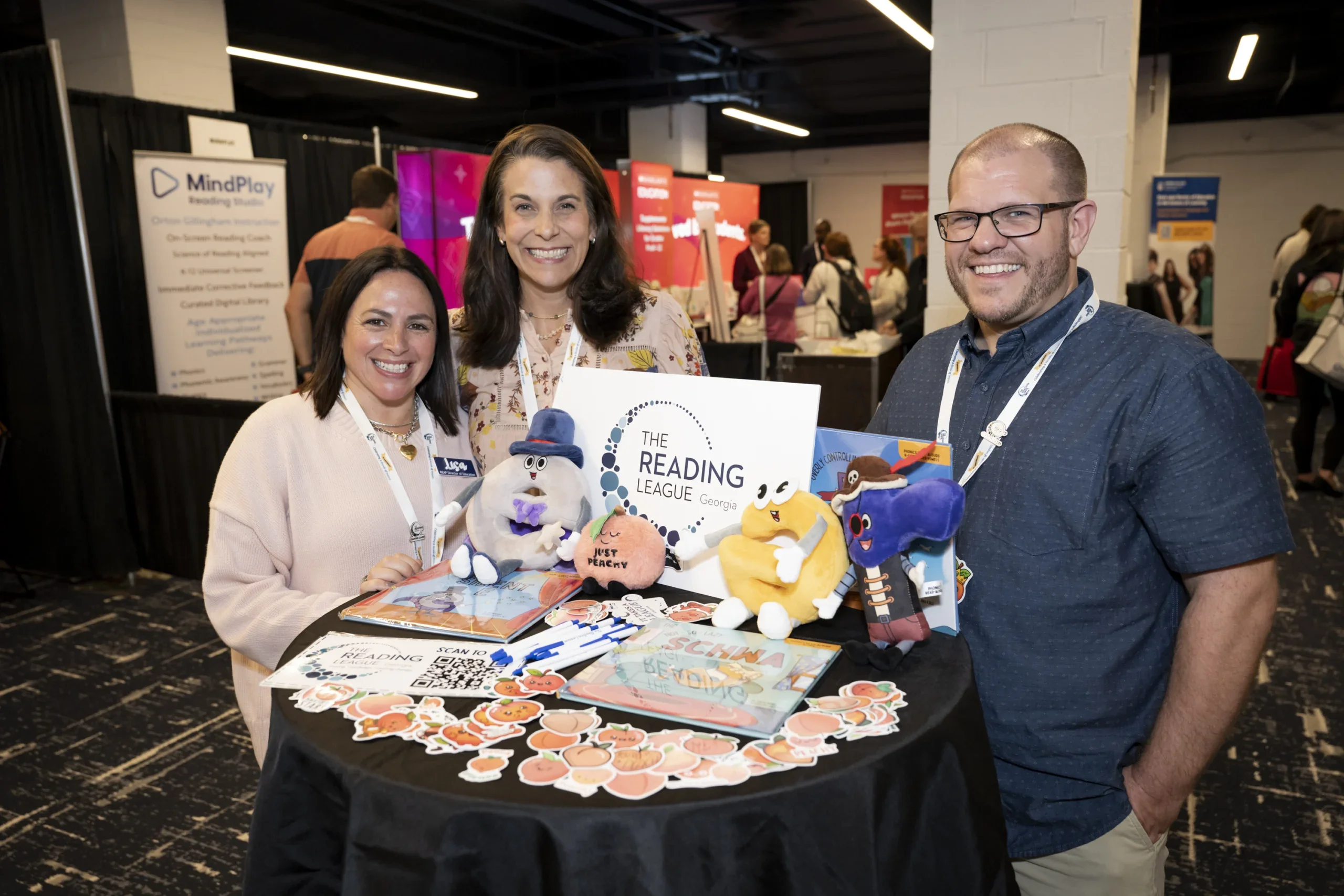
The original post, The Reading League Conference 2026: Celebrating a Decade of Learning and Connection, appeared on The Reading League.


Discussion
Sign in to join the discussion.