Polis proposed higher school and preschool spending, but election results and ballot measures could reshape Colorado’s education budget.
A larger K-12 budget, with a contested path
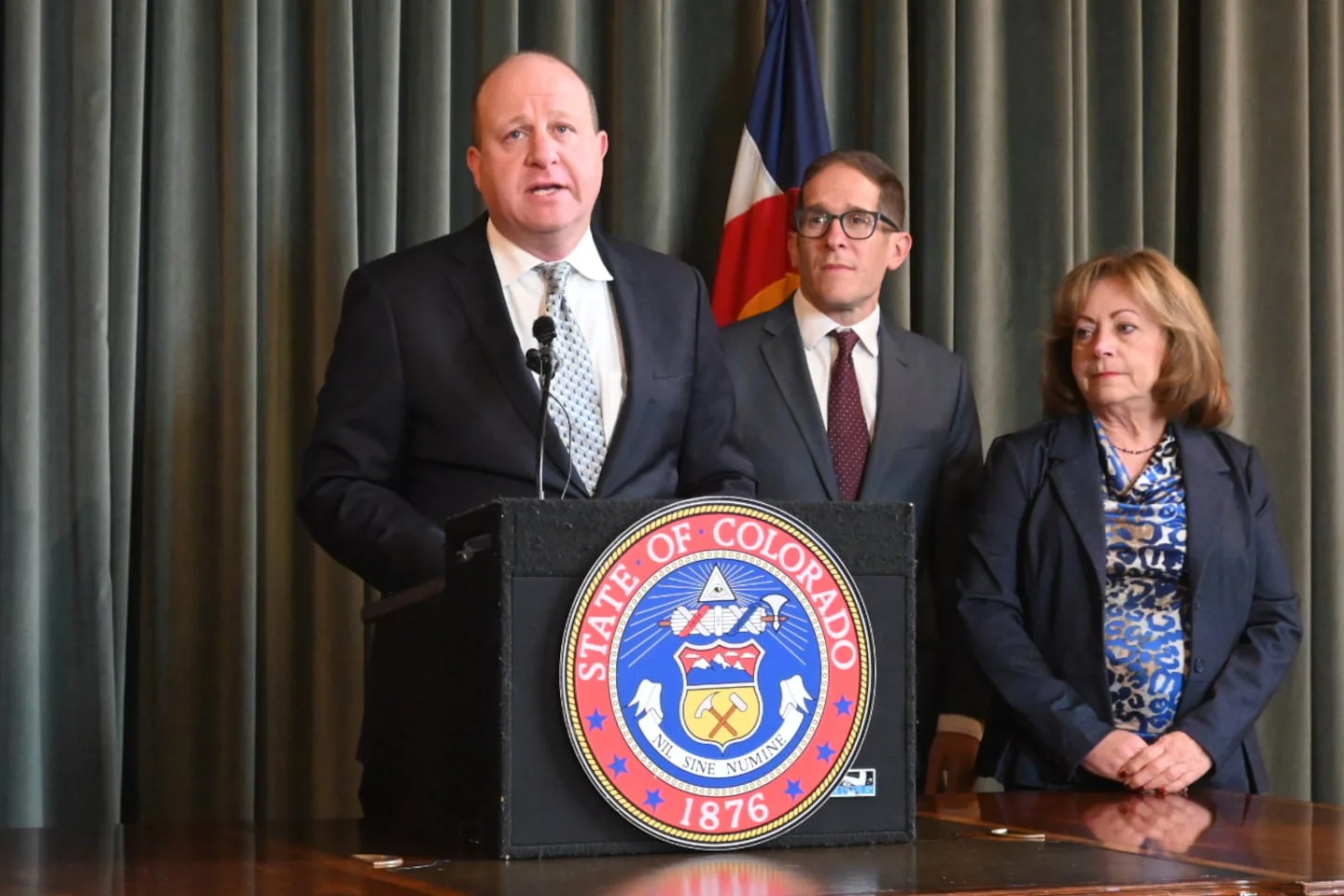
Colorado’s education budget is poised for a change in direction, though the size of that change remains unsettled. Gov. Jared Polis has proposed $212.1 million more for K-12 schools in his eighth and final budget. The proposal sets out his priorities for the next fiscal year, but it won’t settle the state’s spending plan: voters will decide on ballot measures that could affect revenue, and a new governor will take office with a different set of priorities.
The proposal would bring statewide K-12 spending to about $10.4 billion and raise per-pupil funding to $12,814, roughly $488 above this year’s level. Those figures describe a statewide average and total, not what every school or student would receive. How the money is distributed matters too, particularly for districts serving different groups of students and facing different local needs.
Polis’ budget would also keep a seven-year rollout of the school funding formula on schedule. It allocates 45% of the $500 million needed to update how the state distributes money, with the formula taking into account, in part, which students schools serve. That’s a substantial commitment within the proposal, but it’s one stage of a longer process. The state’s ability to maintain that schedule will depend on the choices made in future budgets.
Ballot measures could shift the numbers
Proposition NN and Amendment 87 are among 14 measures Colorado voters will consider. Both could increase state education funding, changing the assumptions behind budget projections. The proposals arrive as Colorado confronts a deficit exceeding $1 billion for the third consecutive year, making the relationship between new education revenue and the broader budget picture especially consequential.
The measures’ potential effect on education funding doesn’t, by itself, determine what lawmakers will spend. Voters’ decisions would alter the financial picture, while lawmakers still have to work through the state budget and competing priorities. The proposal’s figures are therefore a starting point, not a final accounting of what schools will receive.
The timing gives Polis’ proposal limited control over what comes next. State law requires the governor to submit a budget for the next fiscal year by early November. The six-member Joint Budget Committee typically uses that proposal as a starting point for its work during the legislative session beginning in January. An incoming governor can bring different priorities to that process, and lawmakers will have to weigh those priorities against available resources.
Here’s the thing: a governor’s budget matters even when it doesn’t become the final budget. It frames the choices lawmakers have to examine, including which commitments to continue and where new funding should go. But this proposal’s education increases will still face the decisions of voters, the committee, the full legislature, and the incoming administration. That’s a crowded path from proposal to spending plan.
Preschool, child care and workforce plans
Polis also proposed $7.3 million in additional universal preschool funding, continuing a signature program of his administration. To raise more revenue for preschool, he wants to increase gaming and nicotine taxes. That links the program’s expansion to tax changes that would need to be considered alongside the rest of the budget. The proposal describes the desired funding and revenue sources; it doesn’t guarantee either will be adopted.
His budget again calls for privatizing Pinnacol Assurance, an independently operated, state-chartered workers’ compensation insurer. Polis proposes directing about $100 million from a sale into a trust for the Colorado Child Care Assistance Program. The budget says that funding could expand access to child care subsidies for children and families in the coming years. The plan’s reach would depend on the proposed sale and how the trust’s resources support the program over time.
(And this is the part most people overlook.) A one-time source of money and a continuing public program don’t have the same budget implications. The proposal points to a trust as a way to support child care assistance, but the source doesn’t establish how long that support would last or how many families would gain access. Those are practical questions for lawmakers and families as they weigh the plan.
For higher education and workforce development, the proposal includes $4.7 million to establish a new Colorado Department of Higher Education and Workforce Development. Creating a department would bring those areas together under a new state structure, according to the proposal. It would also let public colleges and universities increase tuition by 3% for in-state students and 4% for nonresidents. That authority could give institutions more room to adjust their budgets, while also raising the cost of attendance for students if colleges choose to use it.
Other proposals include $1.2 million to extend the Colorado Adult High School Grant Program, which offers free diplomas to adults 21 and older, and $3.5 million to continue state grants for after-school and summer programs for three more years. Both proposals extend existing efforts, but they serve different needs: one offers adults a route to a diploma, while the other supports programs outside the regular school day. For communities that rely on those services, whether the extensions survive budget negotiations could matter beyond the state’s headline K-12 funding figure.
What the next budget will decide
Polis’ final education budget is more than a collection of requested increases. It shows how his administration would carry forward school funding changes, preschool, child care support, and workforce plans into the next fiscal year. The details also make clear how much depends on decisions beyond the governor’s office, from ballot results to the legislature’s treatment of proposed taxes and spending.
This is more significant than it looks: the transition to a new governor comes while Colorado is managing a recurring deficit and a multiyear school funding update. If you’re working in education, the proposed totals are useful, but the allocation formula, the new revenue questions, and the timing of budget decisions deserve close attention. The numbers are only the beginning.
The proposal lays out Polis’ final set of education priorities, but the next governor, lawmakers and voters will determine how much of it becomes Colorado’s budget.
Jason Gonzales is a reporter covering higher education and the Colorado legislature. Chalkbeat Colorado partners with Open Campus on higher education coverage. Contact Jason at [email protected].


Discussion
Sign in to join the discussion.