In the Michigan State Board of Education race, candidates prioritize improving literacy amid concerning student reading scores.
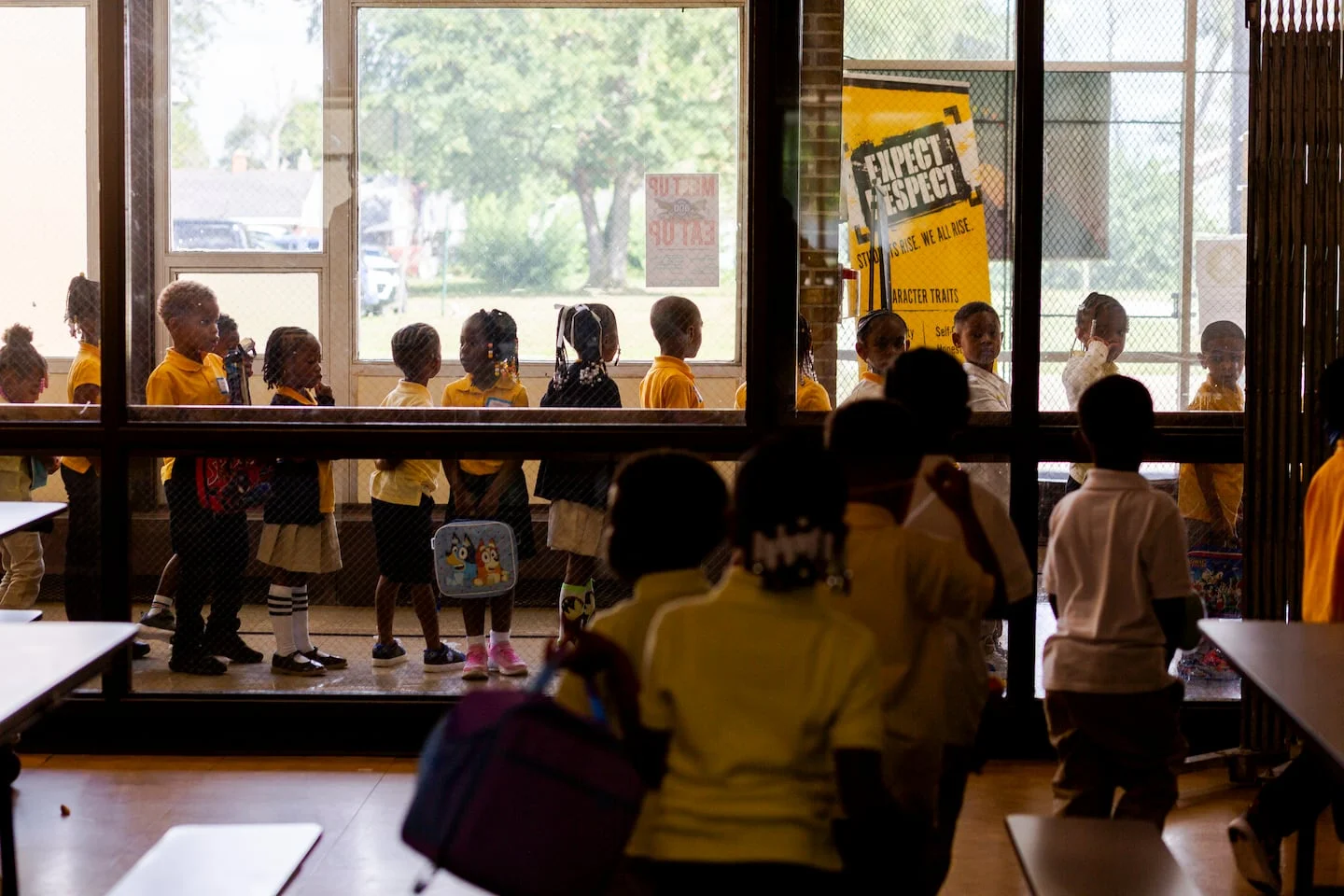
The upcoming elections for Michigan's State Board of Education reveal a rare consensus among candidates regarding the critical need to enhance literacy and educational curriculum. Both Democratic incumbents, Judith Pritchett and Tiffany Tilley, alongside Republican challengers Terence Collins and Bree Moeggenberg, are competing for two eight-year positions on the board, which currently consists of six Democrats and two Republicans.
The Role of the State Board of Education
The State Board of Education plays a pivotal role as it oversees the Michigan Department of Education and sets educational policies, academic standards, and legislative guidance. This isn't merely a bureaucratic formality; it significantly influences how educational policies shape the experiences of students and teachers alike. The board's decisions can affect everything from curriculum frameworks to funding allocations, translating to real impacts in classrooms throughout the state.
As Michigan faces various educational challenges, these elections may ultimately determine how effectively the state can respond to pressing issues like literacy. With a mix of Democratic incumbents and Republican challengers vying for influence, the balance of power on this board could sway towards different educational philosophies and approaches. A shift in leadership might lead to distinct priorities when it comes to improving the educational system.
Alarming Literacy Statistics
Set against a backdrop of significant educational challenges, particularly in literacy, alarming statistics from recent assessments have captured the attention of policymakers and educators alike. For instance, only about 44% of students in grades 3-8 achieved proficiency in English language arts on the Michigan Student Test of Educational Progress. More troubling is the fact that third-grade proficiency has hit a staggering low—38.2%—marking the lowest since the exam's inception. This performance gap adds urgency to the need for effective educational policies.
Even more concerning, just 24% of fourth graders in Michigan reached proficiency in reading on the National Assessment of Educational Progress, falling short of the national average of 30%. When only a small percentage of students attain the minimum proficiency levels deemed acceptable, it raises serious questions about the validity of current educational strategies and the resources allocated to schools. Lawmakers in Michigan are increasingly emphasizing the importance of teacher training and curriculum improvement as strategies to address these performance deficits.
Statistics like these often speak volumes, but they also require careful interpretation. It might be easy to dismiss these numbers as another set of grim warnings about the state of education, but they point to systemic issues that demand immediate and sustained attention. Effective intervention that's based on sound research and methodologies could play a significant role in reversing these trends.
Candidates' Focus on Literacy
In discussions with Chalkbeat, each candidate identified literacy and curriculum as primary focal points for their campaigns. Their collective emphasis highlights a bipartisan commitment to early intervention for struggling readers, as well as an intention to embrace evidence-based teaching methods. Interestingly, this consensus among candidates from different political backgrounds shows how education can be a unifying issue, despite the potential for partisan divides in other areas.
The candidates advocate that implementing Michigan’s literacy law effectively, along with restoring a focus on instructional quality, is essential for tackling these pressing educational issues. This suggests that while there may be different philosophies at play, there's an acknowledgment across the board that foundational literacy skills need urgent attention. If you're working in this space, keep your eyes peeled on how these discussions evolve. A strong focus on literacy and curriculum could set the tone for broader educational reforms in Michigan.
Implications for the Future of Michigan Education
The implications of this election extend beyond the boardroom; they may reshape the future of Michigan's educational framework. Given the critical nature of literacy in early childhood education, the outcomes here can determine not just academic success for students, but also their long-term life outcomes. Low literacy rates can have cascading effects, increasing dropout rates and limiting job opportunities later on. This is more significant than it looks.
As candidates propose actionable plans to address literacy, they may need to confront inherent challenges such as resource allocation, training teachers, and ensuring curriculum versatility to cater to different learning needs. And this is the part most people overlook: effective policies must be matched with adequate funding and support. If elected, the candidates will face the immediate task of implementing their plans amidst a backdrop of skepticism from a public that has seen promises made before and not delivered upon.
The full perspectives of the candidates will be available in an upcoming voter guide, covering a range of topics, including the biggest challenges facing Michigan schools. The voter guide aims to offer a comprehensive view of the candidates' strategies for addressing special education shortages and how socio-economic factors like poverty impact literacy outcomes. With educational issues becoming increasingly front and center, voters will have a crucial opportunity to steer the state’s educational priorities.
For ongoing insights and detailed coverage of the election and educational issues in Michigan, stay tuned to Chalkbeat.
Lori Higgins serves as the bureau chief for Chalkbeat Detroit. Readers can reach her at [email protected].


Discussion
Sign in to join the discussion.