Superintendent Alex Marrero recommends against changing school boundaries this year, citing significant enrollment drops and potential school closures.
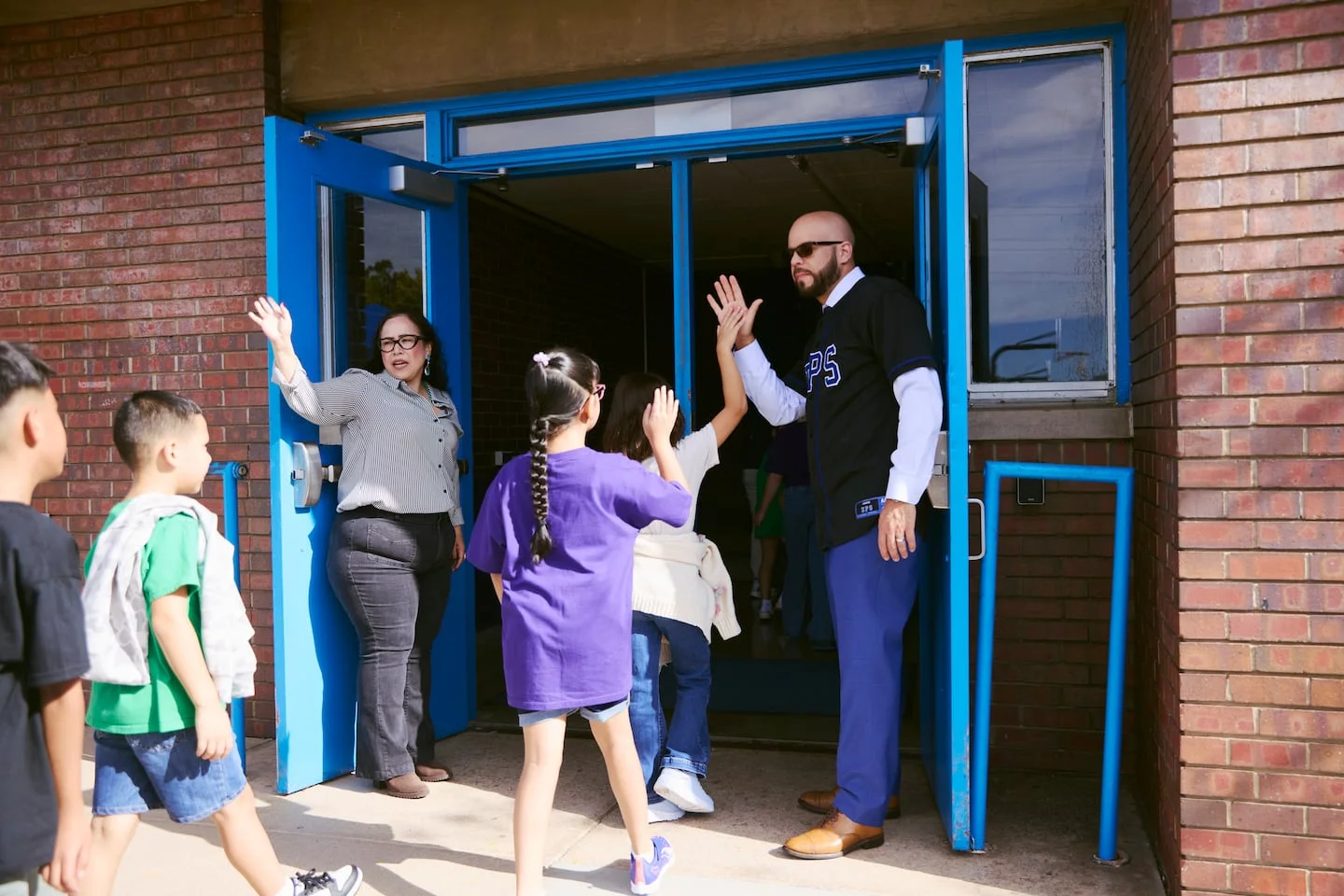
Following extensive community engagement, Denver Public Schools (DPS) has opted not to adjust school boundaries for the current academic year. This decision comes after over 3,000 families participated in a survey and hundreds attended regional meetings to discuss boundary factors. The process has highlighted how integral school boundaries are to community identity, student stability, and educational equity.
Policy Mandate and Superintendent's Recommendation
Last year, the DPS school board implemented a policy mandating the district to reassess school boundaries every five years, beginning this year. While this initiative aimed to realign resources with changing demographics and to mitigate socio-economic disparities, Superintendent Alex Marrero informed families in an email that he recommends maintaining the status quo for boundaries and enrollment zones in the upcoming fall term. This recommendation signals a hesitation to disrupt the current system, especially when many families are still grappling with broader economic and social uncertainties.
Marrero noted that while the boundaries might not be ideal, the primary concern is the district's declining enrollment figures—down by 1,780 students this fall, exceeding initial expectations by around 300. This significant drop raises alarm bells, as enrollment directly impacts funding and resource allocation. He has expressed concerns about asking students to endure the upheaval of changing schools when the focus should be on stabilizing the current environment, especially since the district may face more school closures in the future. If you're working in this space, you'll understand how tenuous the connection can be between enrollment figures and educational quality.
Concerns and Community Sentiment
“The data clearly indicates potential for boundary shifts,” Marrero stated. Yet, he feels it’s crucial to avoid inflicting additional disruption on families already facing challenges caused by enrollment losses. Families want predictability in their children's educational environment, and altering boundaries could exacerbate the anxiety surrounding school stability.
The implementation of the ongoing school closure moratorium, which allows for exceptions in cases of significant enrollment changes or funding crises, may necessitate boundary alterations in the future, should closures emerge. Marrero assured families that any boundary changes resulting from school closures would take place only after the 2027-28 school year, a timeline that gives families a temporary reprieve, but also introduces uncertainty. What does this mean for long-term planning? For families, it’s a delicate balancing act, keeping in mind both immediate needs and future ramifications.
The Historical Context
Enrollment zones consist of geographical areas that guarantee students access to multiple schools within a designated zone. Historically, the DPS has not systematically reviewed its boundaries since the end of a court-mandated busing initiative aimed at fostering racial integration in 1995. That historical precedent can’t be overlooked; the lasting impacts of those boundaries still echo today, influencing which schools thrive and which struggle. The 2022 policy was created to address issues of balancing enrollments and to account for demographic shifts, aiming to prevent boundaries from fostering socio-economic segregation.
Community meetings held in the spring and fall yielded mixed feedback. Some school communities welcomed potential adjustments to help boost enrollment numbers, while others were staunchly opposed. This division illustrates how deeply personal the issue of school boundaries can be. For instance, one parent from the Five Points neighborhood commented on a survey that boundaries drawn after the busing program disadvantaged Manual High School and expressed a desire to rectify that situation. Conversely, a parent from North Park Hill voiced concerns about how boundary changes could affect property values and disrupt established school communities for their children. (And this is the part most people overlook: boundaries aren't just logistical lines; they represent the fabric of community life).
Future Policy Considerations
In light of these debates, the school board is considering a consolidation of its boundary review policy with its school closure policy. The proposed plan would still require an analysis of school boundaries every five years but stipulate adjustments only when deemed necessary—an approach that may provide more stability for families. This pivot reflects a growing recognition that swifter changes could have destabilizing effects.
During the recent school board meeting, board member Marlene De La Rosa proposed extending the boundary adjustment timeline from five to ten years, aligning it with the U.S. Census cycle to limit the frequency of impactful changes for families. This kind of foresight could alleviate some of the anxieties surrounding boundary shifts, but will the board be prepared for the inevitable demographic changes that could arise? It’s a gamble. The board may vote on this consolidated policy by the end of the month.
Implications and Future Outlook
As the conversation evolves, it's clear that the district faces pivotal challenges in terms of enrollment management and community preferences. How DPS navigates these issues will significantly shape its educational landscape going forward. Declining enrollment could lead to more tough decisions, including potential school closures. If DPS opts for a more conservative stance regarding boundary changes, families might experience greater continuity in their educational settings, but at the cost of adapting to emerging demographic realities. A trade-off, to be sure. Yet, the changing dynamics of the community should not be ignored. What this means for you—if you're a part of this community, is increased vigilance regarding how decisions are made, who they're made for, and the long-term impact on the educational ecosystem. This is more significant than it looks; the decisions made today will echo for years to come.


Discussion
Sign in to join the discussion.