Explore the daily habits of Marcus Aurelius and how they reflect Stoic principles for a balanced and meaningful life.
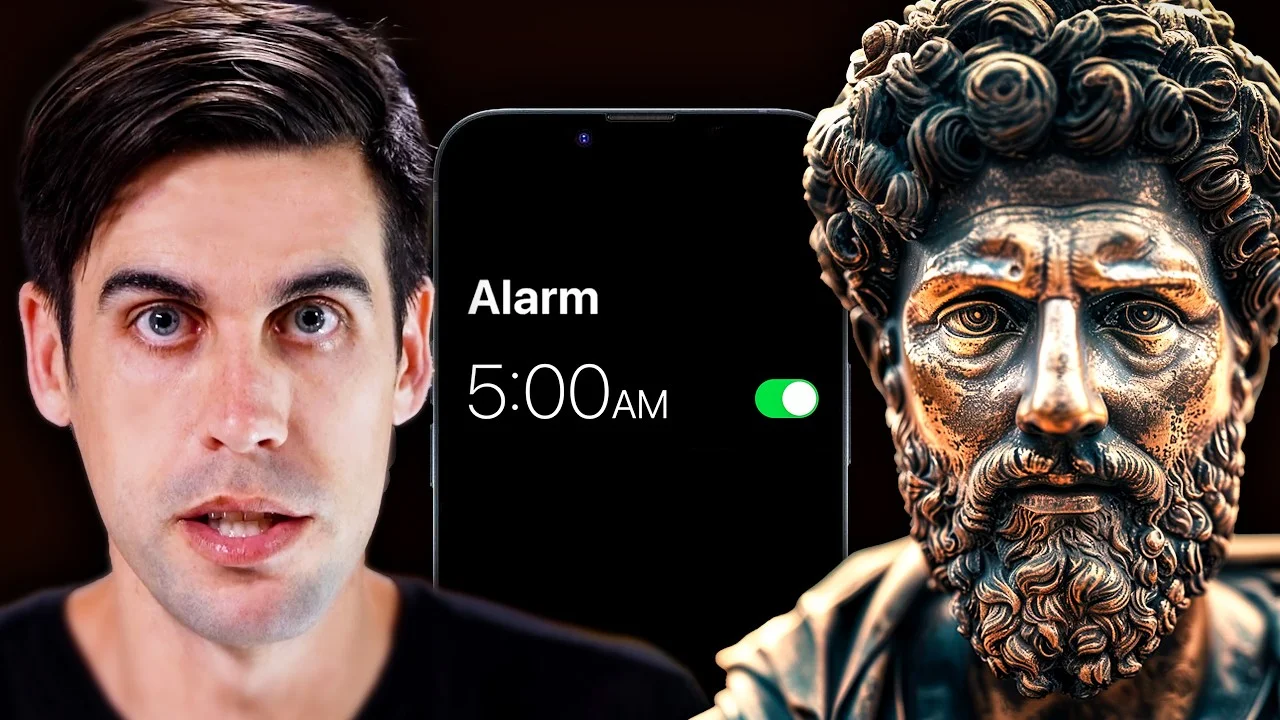
Marcus Aurelius, the Roman Emperor and philosopher, offers a timeless example of stoic living that transcends the centuries. While the second-century leader didn’t contend with our modern digital flood, he faced a load of responsibilities that would seem familiar to today's professionals. Ryan Holiday, an advocate for Stoic philosophy, shines a light on these aspects of Aurelius’ life, illustrating that his approach remains relevant in the modern era.
In his seminal work, Meditations, Aurelius shared personal reflections and routines that have become pivotal in the understanding of Stoicism. These insights inspired Holiday to create a video detailing Aurelius' daily regimen. The Emperor's day began at dawn, not because it was his natural inclination, but as a deliberate choice to prepare himself mentally for the challenges ahead. He used this time for deep reflection, adjusting his expectations and intentions for the day—a concept that aligns closely with contemporary discussions on productivity.
The Morning Routine: A Foundation for Success
Aurelius' morning routine isn't just an anecdote; it's a crucial element of his philosophy. By rising at dawn, he consciously dedicated time to priming his mind for the day. In an age where many of us groggily scroll through our phones in the morning, Aurelius’ practice emphasizes the importance of starting the day with intention. He engaged in self-dialogue, mentally preparing for the challenges that awaited him, which is a practice modern professionals can adopt. This form of preparation allows one to cultivate resilience, a skill often tested in today’s fast-paced work environments.
Balance Between Duty and Wellness
Interestingly, Aurelius’ life was not solely focused on his responsibilities as emperor. Holiday emphasizes that Aurelius understood the essential balance between duty and personal well-being. Beyond governance, he actively participated in physical activities like boxing, wrestling, and horseback riding. These pursuits weren’t merely extracurricular; they contributed to both his mental acuity and physical fitness. This notion of engaging in physicality highlights an increasingly relevant point: the necessity of prioritizing one's health in a society that often glorifies overwork. Even his time at the Colosseum wasn't strictly about entertainment; it served as a moment of reflection and connection to the society he governed, despite his disinterest in the violent spectacles of gladiators.
The Modern Challenge of Work-Life Balance
In today’s world, the work-life balance can seem more like a myth than a reality. Many professionals experience burnout due to technology's ceaseless demands and an ingrained culture of hustle. While Aurelius lived in a world far removed from ours, the Stoic principles he embodied ring undeniably true. Holiday posits that the overemphasis on work can lead to a neglect of other vital life aspects. By setting boundaries around work and committing to a physically active and intellectually stimulating lifestyle, one can achieve the kind of balance Aurelius exemplified.
That's not just a philosophical stance; it’s a practical guide. Incorporating physical wellness into daily routines alongside professional duties allows individuals to manage stress better and enhance their overall productivity. If you're working in this space, consider how often you carve out time for mental or physical well-being. It's easy to overlook these aspects when deadlines loom, but Aurelius' life suggests a different path—one that doesn't compromise health for the sake of work.
Implications of Stoic Living Today
As we sift through the chaos of daily life, the written words of Aurelius resonate strongly, offering a reminder that amidst the turbulence, reflection and recalibration are vital. Such practices foster clarity and purpose in an age plagued by distractions. What this means for you is significant: by integrating physical wellness and mindfulness into routines, you can navigate life with a Stoic mindset, fully living in the present while keeping a focus on what truly matters.
Aurelius' life offers more than just historical anecdotes; it encourages a shift in how we view our responsibilities and wellness. Isn't that the part most people overlook? The real essence of his philosophy lies in understanding that personal health and societal responsibilities are interlinked. Modern professionals can draw inspiration from his life to foster a lifestyle that promotes both productivity and wellness.
Related Content:
- Marcus Aurelius’ 9 Rules for Living a Stoic Life
- Why Jerry Seinfeld Lives by the Stoic Philosophy of Marcus Aurelius
- An Animated Introduction to Stoicism
- How to Be a Stoic in Your Everyday Life
- What Is Stoicism? A Short Introduction
Colin Marshall, based in Seoul, discusses cities, language, and culture, and is the author of various works exploring these themes.
Discussion
Sign in to join the discussion.